
 7.4The Social Network2010121mTrue story
Movie4kto: true-story movies, from The Social Network, A Beautiful Mind and Lion to Moneyball, Elvis, Togo and Cool Runnings
150 movies based on real lives and real events, sorted into eight fields, each with its cast, its rating and a Watch now button.
Top rated
View all 36 ›7.4The Social Network2010121mTrue story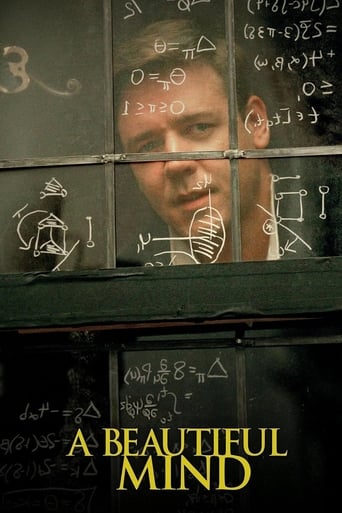 7.9A Beautiful Mind2001135mTrue story
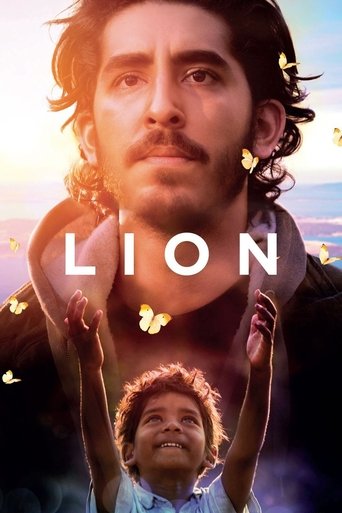 8.0Lion2016118mTrue story
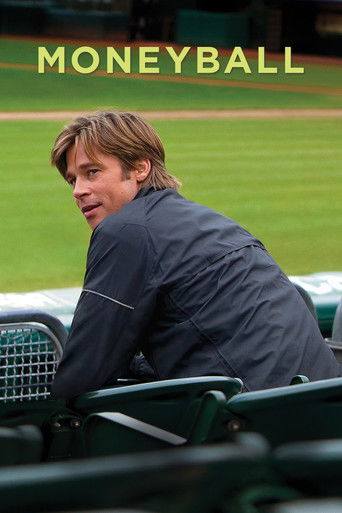 7.3Moneyball2011134mTrue story
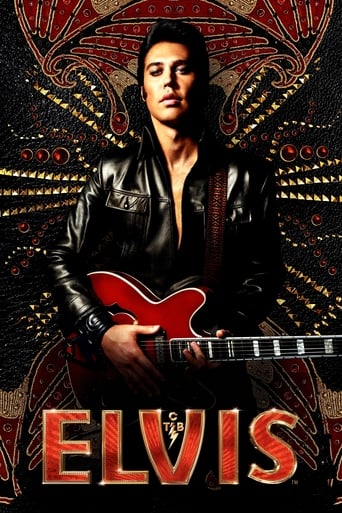 7.4Elvis2022159mTrue story
 7.6King Richard2021144mTrue story
 7.6tick, tick... BOOM!2021120mTrue story
 8.1Togo2019113mTrue story
 7.5Ray2004152mTrue story
 7.9The Boy Who Harnessed the Wind2019113mTrue story
 7.7Selena1997127mTrue story
 7.5Arthur the King2024107mTrue story
 7.4Radio2003109mTrue story
 7.7The World's Fastest Indian2005127mTrue story
 8.0Flamin' Hot202399mTrue story
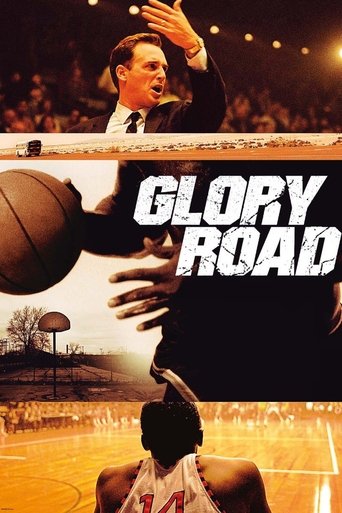 7.4Glory Road2006118mTrue story
Sport
View all 39 ›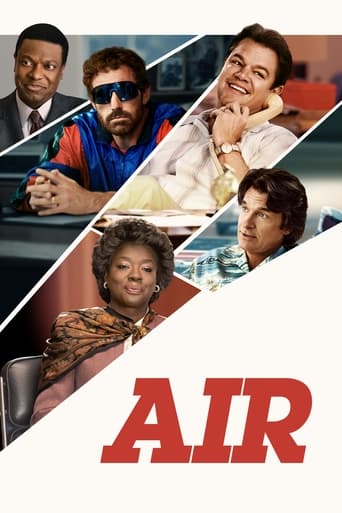 7.3
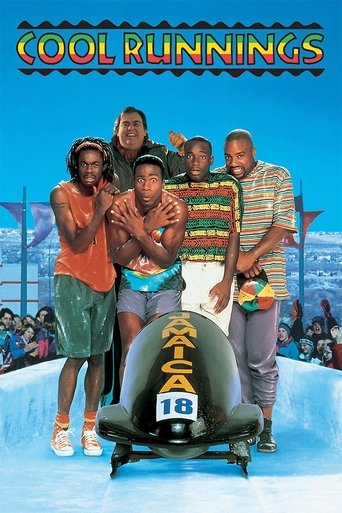 7.0
 7.2
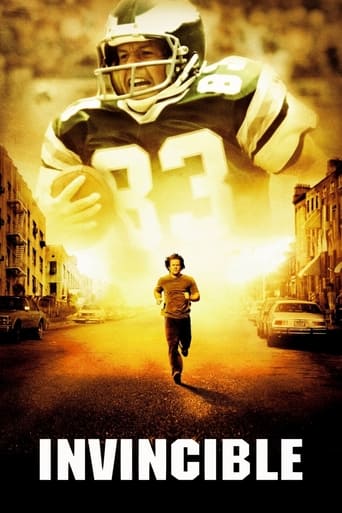 7.0
 7.1
 6.9
 7.2
 7.1
Music, stage and screen
View all 29 ›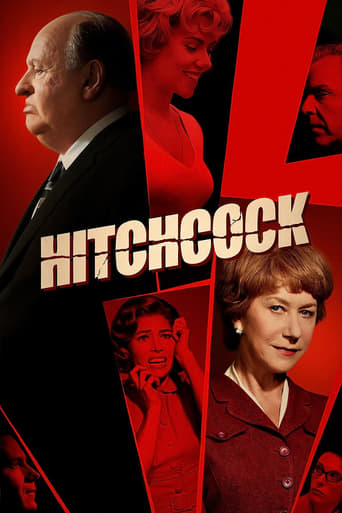 6.6
 7.1
 6.7
 6.9
 6.7
 6.5
 6.9
 6.7
Science and invention
View all 21 › 6.8Steve Jobs2015123mTrue story
 6.6Joy2015124mTrue story
 6.1Jobs2013129mTrue story
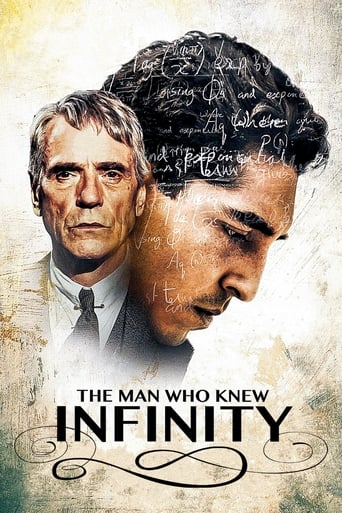 7.2The Man Who Knew Infinity2016108mTrue story
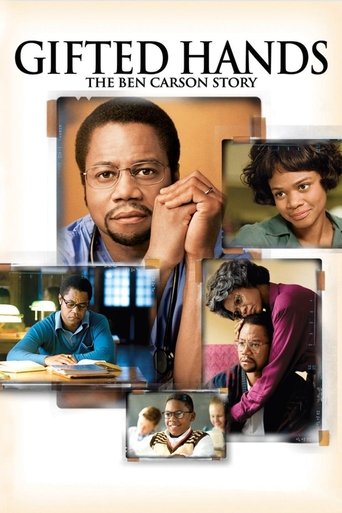 7.8Gifted Hands: The Ben Carson Story200986mTrue story
 7.9Temple Grandin2010108mTrue story
 7.6A Million Miles Away2023122mTrue story
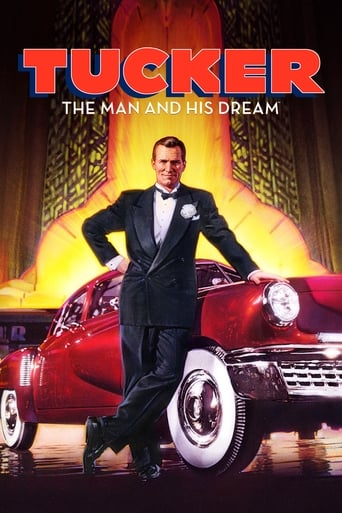 6.7Tucker: The Man and His Dream1988111mTrue story
Animals
View all 17 ›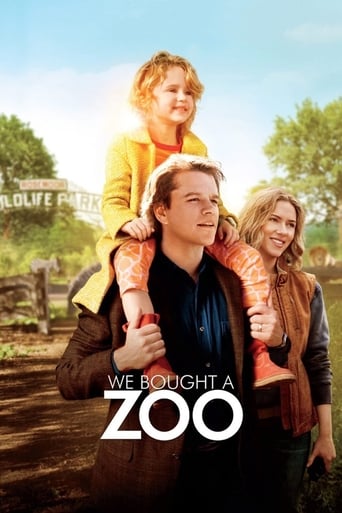 6.8
 6.9
 7.3
 6.7
 7.1
 7.5
 6.2
 7.3
Classics before 1980
View all 15 ›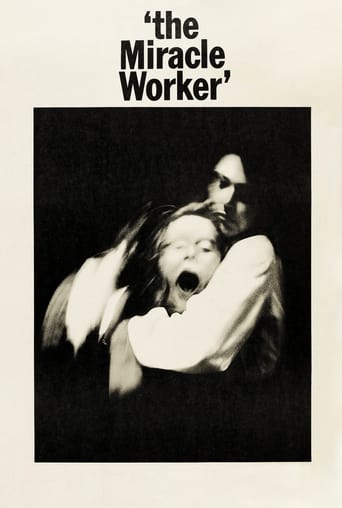 7.9
 7.2
 7.0
 6.7
 6.3
 6.9
 6.8
 6.9
The Movie4kto guide to true-story movies
Movie4kto: true-story movies, from The Social Network, A Beautiful Mind and Lion to Moneyball, Elvis, Togo and Cool Runnings
Five words at the start of a film change the way an audience watches it: based on a true story. From that moment every setback counts for more, because somebody lived it, and every victory feels earned, because it was. Movie4kto is a guide devoted to those five words. It lists 150 movies drawn from real lives and real events, made between 1934 and 2025 by 145 directors, about 278 hours of cinema in all. Every one has been checked by hand for a family audience, so the catalogue favours courage, invention, friendship and persistence.
The subjects are as varied as people are. There is a Jamaican bobsleigh team, a mathematician who heard voices and won a Nobel prize, a boy who found his way home across a continent with a satellite map, a sled dog who ran farther than any other, a woman who invented a mop, and a queen of Sweden played by Greta Garbo. The guide sorts them into eight fields: sport, music with stage and screen, science and invention, business, art and letters, teachers, animals, and history with public life.
This page tours each field, names the movies to open first and explains how the site works. The short version is in How to watch with Movie4kto, and a note on how much of a true story is true appears in Fact and film.
How Movie4kto works
The home page opens with a dark panel that carries the heading and a row of eight tabs, one for each field, with a count beside each name. Pressing a tab opens the full list. Below the panel run six rows of posters, eight across: the top rated, sport, music with stage and screen, science and invention, animals, and the classics made before 1980. Every poster shows its score on a white tag, and under the title a short line gives the year, the running time and a small label that reads True story.
A movie page gives the year, the length, the rating, the genres, the leading cast, the director and a summary. Beside the Watch now button sits a country selector; choose a country, press the button, and the movie opens on JustWatch, which lists the subscription, rental, purchase and free services that carry it there. Movie4kto is a guide, and the viewing happens on those official services.
Four routes lead to a movie, as Finding a movie explains: the field tabs, the search field, the lists page and the alphabetical index. The search understands the names of actors and directors as well as titles. The list feature is called My Reel; it keeps movies to watch in the browser on the device in use, and the My Reel page shows how to add to it and how to save it as a file.
Sport
Sport is the largest field with thirty-nine movies, and the sport guide begins with the underdogs, because sport and the true story were made for each other. Cool Runnings tells how four Jamaican sprinters, having missed the summer Games, formed a bobsleigh team and went to the Winter Olympics in Calgary in 1988. The film invents its characters freely, with John Candy as a disgraced coach, yet the central fact is real, and the final walk to the finish line is one of the most loved endings in sports cinema.
The same Games produced Eddie the Eagle, the story of a British plasterer who taught himself ski jumping and finished last with enormous style. The Phantom of the Open follows Maurice Flitcroft, a crane operator from the north of England who entered the 1976 British Open having scarcely held a club, and posted the highest score in its history; Mark Rylance plays him as a dreamer of perfect sincerity. Marvellous is about Neil Baldwin, who decided early that life would be happy and became a circus clown, a friend to bishops and the kit man of his beloved football club.
Team stories form a second group. Miracle recreates the United States ice hockey team of 1980, a squad of college players assembled by the coach Herb Brooks, played by Kurt Russell, to face the best professionals in the world. Glory Road recalls the Texas college basketball team that won the national title in 1966 with an all-Black starting five, and The Boys in the Boat, directed by George Clooney, follows a crew of working-class students from Washington to the Olympic rowing final of 1936.
Football of the American kind supplies a shelf of its own: Invincible, about a thirty-year-old bartender who made the Philadelphia Eagles through an open trial; American Underdog, about a supermarket shelf stacker who became a champion quarterback; The Express, about Ernie Davis, the first Black winner of the sport's highest college honour; and Safety, about a student who looked after his young brother on campus while playing for his university. When the Game Stands Tall, My All American, 23 Blast and The Senior, in which a man returns to finish his college career at fifty-nine, complete it.
Some of the best sports films take place in offices. Moneyball shows Billy Beane, general manager of a baseball club with a small budget, rebuilding his roster with statistics; Brad Pitt and Jonah Hill make spreadsheets thrilling. Air recounts how a struggling shoe company pursued a rookie named Michael Jordan, and Million Dollar Arm follows an agent who holds a contest in India to turn cricket bowlers into baseball pitchers.
The field is rich in individual feats as well. Young Woman and the Sea stars Daisy Ridley as Trudy Ederle, who in 1926 became the first woman to swim the English Channel. True Spirit sails with a sixteen-year-old Australian alone around the world. Queen of Katwe follows a girl from a poor district of Kampala to international chess, and The World's Fastest Indian sends a New Zealander in his sixties to the salt flats of Utah with a motorcycle he rebuilt in a shed.
Music, stage and screen
Twenty-nine movies concern performers and the people behind them, and the music guide opens with the singers. Elvis, directed by Baz Luhrmann, tells the life of the king of rock and roll through his long partnership with his manager, in a whirl of colour and noise with Austin Butler at the centre. Ray won Jamie Foxx an Academy Award for his portrait of Ray Charles, from a childhood in Florida to the invention of soul. Selena, with Jennifer Lopez in the role that made her a star, celebrates the Texan singer who brought Tejano music to a vast audience.
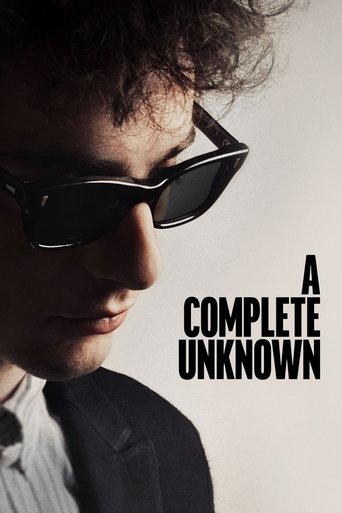
A Complete Unknown follows the young Bob Dylan from his arrival in New York to the evening he played an electric guitar at a folk festival. Sweet Dreams gives Jessica Lange the voice of the country singer Patsy Cline, and Bound for Glory, made in 1976, travels the dusty roads of the 1930s with the folk singer Woody Guthrie. Older still are the studio biographies of composers: The Glenn Miller Story, with James Stewart as the bandleader searching for his sound, A Song to Remember, about Chopin, and Till the Clouds Roll By, a parade of stars singing the songs of Jerome Kern.
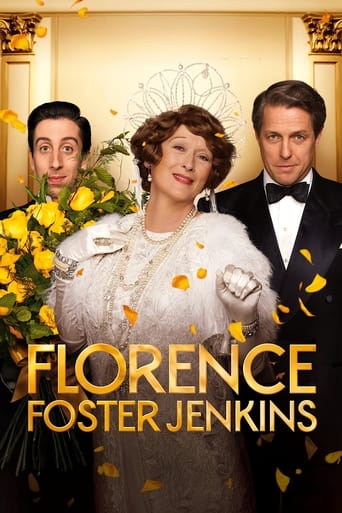
Amateurs and late starters have their films too. Florence Foster Jenkins stars Meryl Streep as the New York heiress who loved opera and sang it with more joy than accuracy. One Chance tells how a mobile-telephone salesman from Wales won a television talent contest with an aria. Fisherman's Friends follows a group of Cornish fishermen from the harbour wall to a recording contract, and Blinded by the Light is about a teenager in an English town in 1987 who finds his own voice in the songs of Bruce Springsteen.
Dance is represented by Mao’s Last Dancer, the story of a boy chosen from a village school to train in Beijing who became a principal dancer in Houston, and by The American, about a young ballerina from the United States admitted to the most demanding academy in Moscow. Newsies, rated 8.0, is a filmed performance of the stage musical about the newsboys of New York who went on strike in 1899.
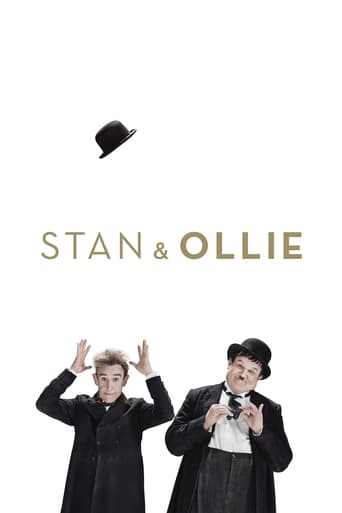
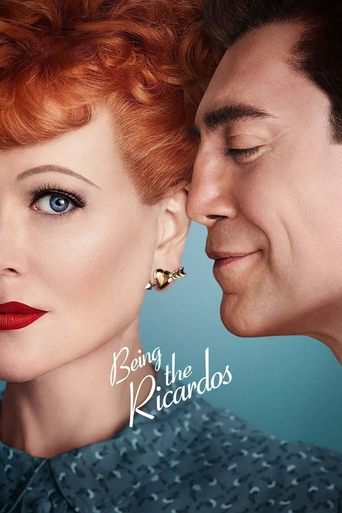
The last group looks behind the scenes of film and television. Hitchcock stars Anthony Hopkins as the director during the making of his most famous thriller, with Helen Mirren as his wife and closest collaborator. Being the Ricardos, written and directed by Aaron Sorkin, spends one tense week on the set of a beloved 1950s comedy. Me and Orson Welles puts a teenager in the company of a twenty-two-year-old genius staging Shakespeare in 1937, and RKO 281 tells how the same genius made his first film. Stan & Ollie accompanies Laurel and Hardy on their last tour, and An Adventure in Space and Time recounts the birth of a long-running British science-fiction series in 1963.
Science and invention
Twenty-one movies honour thinkers and makers, and the science guide starts with three remarkable minds. A Beautiful Mind, directed by Ron Howard, follows the mathematician John Nash from his brilliant years at Princeton through a long illness to a Nobel prize; Russell Crowe plays him, Jennifer Connelly won an Academy Award as his wife, and the film itself was named best picture. The Man Who Knew Infinity tells of Srinivasa Ramanujan, a clerk in Madras who posted pages of formulas to Cambridge and was invited to England by the professor who recognised their worth.
Temple Grandin, rated 7.9, is among the finest television films ever made. Claire Danes plays a young woman with autism who thinks in pictures and uses that gift to redesign the way cattle are handled across America. The film lets the audience see as she sees, with diagrams unfolding in the air. Hawking has a young Benedict Cumberbatch as the physicist in his student years at Cambridge.
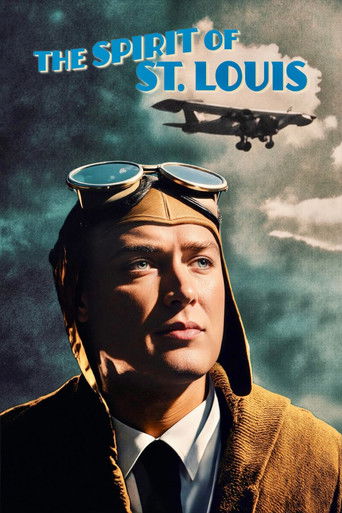
The sky and what lies beyond it fill several films. A Million Miles Away is the story of José Hernández, who picked crops with his family as a child, applied to the space agency eleven times and flew on the twelfth. The Dish is a gentle Australian comedy about the radio telescope in a sheep paddock that relayed pictures of the first Moon walk to the world. The Spirit of St. Louis, directed by Billy Wilder, puts James Stewart alone in a small aeroplane over the Atlantic in 1927, and Amelia follows Amelia Earhart with Hilary Swank in the cockpit.
Medicine has its heroes: Something the Lord Made, about the surgeon and the technician who together devised an operation to save infants with a heart defect; Gifted Hands: The Ben Carson Story, about a boy from Detroit who became a paediatric neurosurgeon; and The Story of Louis Pasteur, from 1936, which won Paul Muni an Academy Award. Engineers and tinkerers appear in Tesla, Spare Parts, in which four high-school students from Arizona build an underwater robot from pool parts and beat a famous university, and The Boy Who Harnessed the Wind, about a Malawian teenager and his windmill.
Business
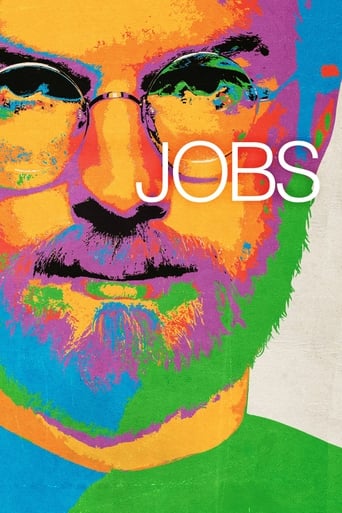
Thirteen movies follow a product from idea to market, and the business guide begins in a student bedroom. The Social Network, directed by David Fincher from a script by Aaron Sorkin, tells of the founding of a website that grew to connect much of the planet, and of the friendships it cost. It is talkative, quick and precise, and many consider it the film of its decade. Two films take on the co-founder of a famous computer company: Steve Jobs, built by Danny Boyle around three product launches, and Jobs, a more traditional biography with Ashton Kutcher.
The Founder stars Michael Keaton as Ray Kroc, a travelling salesman who saw the genius of a small hamburger stand run by two brothers and turned it into a worldwide chain. Flamin' Hot, directed by Eva Longoria and rated 8.0, follows a janitor at a snack factory with an idea for a spicier product. Joy gives Jennifer Lawrence the role of a mother who invents a self-wringing mop and sells it on television herself.
Inventors who faced giants are the subject of two fine films. Tucker: The Man and His Dream, directed by Francis Ford Coppola, stars Jeff Bridges as the designer of a car of the future in 1948. Flash of Genius concerns a professor who invented the intermittent windscreen wiper and spent years seeking credit for it. For lighter company there is Jerry & Marge Go Large, in which a retired couple from Michigan find a mathematical quirk in a lottery and use the winnings to revive their small town.
Art and letters
Seventeen movies are about painters, authors and the people who believed in them, and the art guide starts in the studio. Big Eyes, directed by Tim Burton, tells of Margaret Keane, whose paintings of wide-eyed children sold in their millions under her husband's name until she claimed them in court; Amy Adams plays her with quiet steel. Final Portrait, directed by Stanley Tucci, watches the sculptor Alberto Giacometti, played by Geoffrey Rush, paint and repaint one portrait in Paris in 1964. Mrs Lowry & Son pairs Timothy Spall as the English painter of industrial streets with Vanessa Redgrave as the mother who doubted him, and Modigliani visits the Paris of 1919.
Writers for children make a charming group. Miss Potter stars Renée Zellweger as Beatrix Potter, whose rabbits and ducks sometimes move on the page as she draws them. Goodbye Christopher Robin tells how a father's bedtime stories about a toy bear became famous and what that fame meant for his son. Enid has Helena Bonham Carter as the tireless author Enid Blyton, and Magic Beyond Words: The J.K. Rowling Story follows a young mother writing in cafés. The Electrical Life of Louis Wain introduces the Victorian illustrator whose drawings of cats taught a nation to love them.
The love of books itself is the subject of 84 Charing Cross Road, a film made of letters between a New York writer, played by Anne Bancroft, and a London bookseller, played by Anthony Hopkins, who correspond for twenty years. Genius portrays the editor Max Perkins shaping the vast manuscripts of a young novelist. A Quiet Passion gives Cynthia Nixon the wit and solitude of the poet Emily Dickinson, All Is True imagines the last years of Shakespeare at home in Stratford, and The Lady in the Van stars Maggie Smith as the eccentric woman who parked on a playwright's drive for fifteen years.
Teachers
Thirteen movies belong to teachers, and the teachers guide begins with the most famous lesson in cinema. In The Miracle Worker, from 1962, the young teacher Annie Sullivan arrives at the home of Helen Keller, a child who is both blind and deaf, and sets about reaching her through the sense of touch. The long struggle at the dining table and the moment at the water pump are unforgettable. Anne Bancroft and Patty Duke both won Academy Awards, and the film is rated 7.9.
Stand and Deliver stars Edward James Olmos as Jaime Escalante, who taught advanced calculus to students in East Los Angeles whom everyone else had underestimated; their results were so good that the examiners asked them to sit the paper again, and they passed again. The Ron Clark Story sends an idealistic teacher from a small town to a hard classroom in Harlem, and Beyond the Blackboard follows a new teacher who builds a school for children living in a shelter.
Front of the Class, rated 8.0, tells of Brad Cohen, who has Tourette syndrome and was turned down by two dozen schools before one gave him the classroom he had wanted since childhood. Music of the Heart stars Meryl Streep as a violin teacher who creates a programme for the children of East Harlem and takes them to a great concert hall. In Radio, a football coach brings a shy young man into the life of a school, and in Queen of Katwe a patient coach teaches chess on a veranda and changes a family's future.
Animals
Seventeen true stories turn on an animal, and the animals guide leads with the highest-rated film in the catalogue. Togo, at 8.1, restores to his rightful place the sled dog who in 1925 led his team across the longest and most dangerous stretch of a relay carrying medicine to a town in Alaska cut off by winter. Willem Dafoe plays his musher, and the crossing of the cracking sea ice is as tense as any chase. The Great Alaskan Race tells the same relay from another angle.
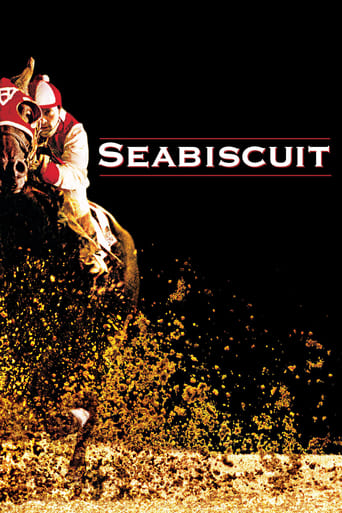
Dogs appear again in Rescued by Ruby, about a shelter dog who became a search partner for a state trooper; Arthur the King, in which a stray follows a team of adventure racers through jungle and river and refuses to leave; and Dog Gone, about a father and son walking a mountain trail in search of a lost pet. Horses carry Seabiscuit, the story of an undersized racehorse who lifted American spirits in the 1930s, and Dreamer: Inspired By a True Story, in which a girl and her father nurse an injured filly back to the track.
The wild animals are led by Elsa, the lioness of Born Free, raised from a cub by a couple in Kenya and taught, with great patience, to live as a lion; the film's theme song became famous in its own right. Dolphin Tale is about a young dolphin fitted with an artificial tail, Big Miracle about three whales trapped by ice and the unlikely alliance that freed them, and The One and Only Ivan about a gorilla who lived in a shopping centre and learned to paint. My Penguin Friend, Gigi & Nate, Saving Flora and We Bought a Zoo widen the ark further.
History and public life
Twenty-one movies deal with rulers, campaigners and remarkable journeys, and the history guide starts with crowns. Queen Christina, dated 1934 and the oldest film in the catalogue, stars Greta Garbo as the seventeenth-century queen of Sweden who preferred learning and liberty to her throne; its final close-up is among the most famous in cinema. The Young Victoria shows Emily Blunt as a queen of eighteen finding her feet and her partner. The Lost King tells how an amateur historian from Edinburgh, played by Sally Hawkins, led the search that found the remains of Richard III beneath a car park in 2012.
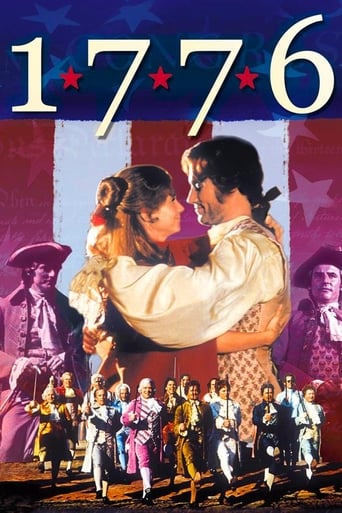
Public life in recent times is shown in Southside with You, which follows two young lawyers on a first date in Chicago in 1989; at eighty minutes it is the shortest film here. The Special Relationship studies a friendship between a prime minister and a president, Oslo the quiet meetings that led to an agreement in 1993, and 1776 turns the writing of a declaration into a musical.
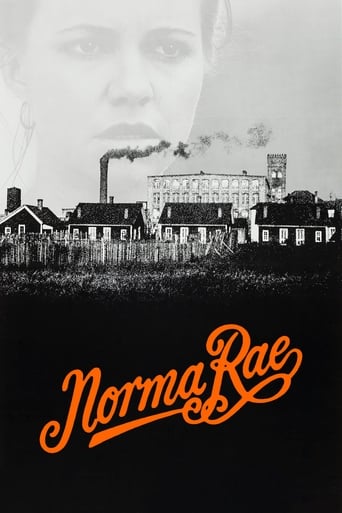
Campaigners form a strong group. Norma Rae won Sally Field her first Academy Award as a textile worker who stands on a table with a hand-written sign. Misbehaviour revisits the beauty contest of 1970 that became a turning point for two movements at once. Oranges and Sunshine follows a social worker from Nottingham who reunited families separated across oceans, and Saint Judy a lawyer who changed the practice of her country's courts.
Journeys close the field. Lion, rated 8.0, is the story of Saroo, who at five fell asleep on a train in India, woke far from home, was adopted in Australia and found his village twenty-five years later. The 33 recounts the rescue of the Chilean miners in 2010, Lost on a Mountain in Maine the nine days a twelve-year-old spent alone in 1939, and The Titfield Thunderbolt, a British comedy of 1953 inspired by real volunteers, the efforts of a village to run its own railway.
Women who went first
A thread of firsts runs through the catalogue, gathered in Women who went first. The swimmer of 1926 crossed the Channel faster than any man had done before her. The young sailor of True Spirit spent 210 days alone at sea. Queen of the Ring remembers Mildred Burke, who made a career in professional wrestling when the sport was closed to women in much of her country, and Walk. Ride. Rodeo. follows a barrel racer who returned to competition after an accident changed how she rides.
Away from sport, the list includes the inventor of Joy, the mill worker of Norma Rae, the fashion designer of Coco Chanel, played in later life by Shirley MacLaine, and the scientist of Temple Grandin. Radium Girls tells of factory workers of the 1920s who spoke up about the paint they used and improved safety for everyone who came after. Each film shows a door being opened, and each is careful to show who held it shut and who helped to push.
How true is a true story
Filmmakers use several phrases, and each makes a different promise. Based on a true story means that the people existed and the main events happened, while scenes and conversations have been written to fit two hours. Inspired by true events is looser: a real starting point, with invention around it. A biography, or biopic, attempts a life, usually by choosing a few years to stand for the whole. Fact and film sets out these distinctions with examples.
Compression is the commonest change. A campaign that took ten years is shown in one; five colleagues are merged into a single friend; a letter becomes a face-to-face scene. Moneyball gives one assistant the work of several analysts. The Social Network arranges its story around two legal hearings so that characters can disagree about what happened, an honest way of admitting that memories differ. Steve Jobs goes further and imagines backstage conversations before three launches, a structure closer to theatre than to record.
Other films stay close to the facts and gain from it. Temple Grandin was made with its subject's advice. The Miracle Worker follows letters written at the time. Lion ends, as many of these films do, with photographs and footage of the real people, and those closing minutes are often the most moving of all. A good habit after any title here is to read a little about the real person; the film is a door, and the life behind it is usually larger.
Three periods
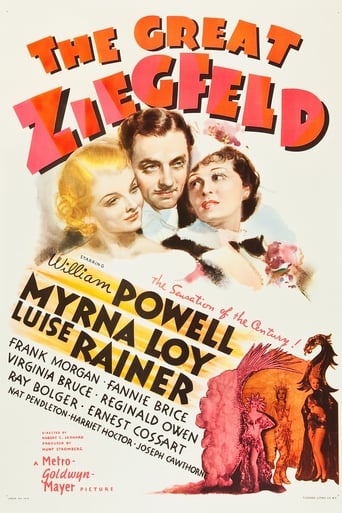
The catalogue is filed in three periods, described in Three periods. Fifteen movies date from before 1980. The Hollywood studios of the 1930s loved a grand biography, and The Great Ziegfeld, which was named best picture of 1936 and runs for 185 minutes, the longest film here, is the type at its most lavish. Gentleman Jim gives Errol Flynn the gloves of a nineteenth-century boxing champion, and Cheaper by the Dozen, from 1950, is the comic memoir of a family of twelve children raised by two efficiency experts.
Forty-three movies come from 1980 to 2009. In those years the form grew more personal and more exact: the jazz film 'Round Midnight, shot in Paris with the saxophonist Dexter Gordon in the lead, the classroom dramas, and the first of the modern sports films. The period also saw television take up the true story with great success, in films such as Something the Lord Made and Hawking.
The largest group, ninety-two movies, has appeared since 2010. Streaming services have a steady appetite for inspiring stories, and audiences have shown that they will follow a good one wherever it is told. The newest titles are dated 2025, among them H Is for Hawk, about a woman who trains a goshawk, and Bob Trevino Likes It, drawn from its director's own experience of an unexpected friendship.
Top rated
Thirty-six movies are rated 7.3 or higher by at least a hundred voters, and the top rated guide lists them in order. The sled dog leads at 8.1. Five films share 8.0: the journey home across India, the teacher with Tourette syndrome, the newsboys' musical, the snack-factory story and the two heart pioneers. Four more stand at 7.9. It is striking how many of the leaders were made for television or for streaming, proof that a true story depends on its subject more than on its budget.
The ratings come from the public database TMDB. They reward warmth and a clear emotional line, and they can undervalue quieter work; a thoughtful film such as A Quiet Passion or Final Portrait may suit a particular evening better than its score suggests.
Faces of the form
Certain actors return to real lives again and again. Anthony Hopkins appears three times, as a bookseller, a record-breaking motorcyclist and a film director. Bryan Cranston is here three times as well, and Greg Kinnear three, usually as decent men under pressure. Meryl Streep plays a violin teacher and an opera lover, James Stewart a bandleader and an aviator, and Paul Muni both a French chemist and a Polish music teacher.
Benedict Cumberbatch plays a physicist and a painter of cats. Dev Patel is the mathematician from Madras and the lost boy grown up. Cuba Gooding Jr. is a surgeon in one film and the young man taken under a coach's wing in another. Among directors, Stephen Frears made two of the gentlest films here, about the opera lover and the buried king; Mira Nair made the chess story and the aviator; and Thomas Carter made the story of the surgeon from Detroit and one of the football films.
The same story told twice
Real events belong to everyone, so more than one filmmaker may tell them, and the catalogue holds several pairs. The co-founder of the computer company is seen in two films made two years apart, one a conventional biography and one a three-act chamber piece; watched together they show how much a script's structure shapes the person on screen. The Alaskan relay of 1925 is told in Togo and in The Great Alaskan Race, with different dogs and drivers in the foreground.
Other pairs share a subject from two sides. Hitchcock and RKO 281 both show a great director making the film that defined him. Miss Potter and Goodbye Christopher Robin both ask what a beloved children's book costs and gives its author. The Glenn Miller Story and Elvis are biographies of popular musicians made nearly seventy years apart, and the difference in style between them is a small history of cinema. Comparing versions is one of the pleasures a catalogue of true stories can offer.
How actors become real people
Playing a real person is a particular test. The audience may know the face, the walk and the voice, and the actor must suggest them while still giving a performance. Jamie Foxx, a trained pianist, played the keyboard himself in Ray and wore prosthetic lids that left him unable to see during filming. Austin Butler spent years on the voice of his singer. Claire Danes studied recordings of Temple Grandin until she could reproduce the rhythm of her speech, and Mark Rylance found the gentle optimism of his golfer in old television interviews.
Some choose suggestion over imitation. Meryl Streep's opera lover and Sally Hawkins's amateur historian are built from the inside, through feeling, and are the more convincing for it. Children's roles ask for something else again: Sunny Pawar, who plays the five-year-old Saroo in Lion, was new to acting and carries the first half of the film with complete naturalness, and Patty Duke was in her teens when she played Helen Keller.
Make-up, costume and design do quiet work as well. The laboratories, locker rooms and newsrooms in these films are rebuilt from photographs, and period cars, telephones and typefaces are chosen with care. Part of the enjoyment of a title set in 1957 or 1988 is the sight of a vanished world put back together.
Lesser-known titles worth an evening
Beside the famous names stand films that deserve a wider audience. The Dish is a comedy of great good nature in which a handful of Australian technicians, a mayor and a power cut share a moment in history. 84 Charing Cross Road contains hardly a raised voice and is one of the most affecting films about friendship ever made. Marvellous breaks its own story to let the real Neil Baldwin walk on and comment, a device that suits a man who has always been his own narrator.
Spare Parts and Front of the Class are modest productions with large hearts. An American Rhapsody is drawn from its director's childhood: a girl left behind as a baby when her family escaped from Hungary joins them in California at six, and years later travels back to understand both homes; a young Scarlett Johansson plays her as a teenager. We Grown Now follows two boys, best friends in a Chicago housing estate in 1992, with an eye for the wonder children find anywhere.
The Upside retells for American audiences the friendship between a wealthy man who uses a wheelchair and the assistant he hires against advice. The Soloist is a columnist's account of a gifted musician he met on a Los Angeles street, and The Lady in the Van turns a fifteen-year act of reluctant hospitality into comedy. Each of these rewards a viewer who is willing to look one row below the best-known posters.
Five ready-made evenings
For visitors who would like the choosing done for them, here are five double bills. For a sports night, pair Miracle with Cool Runnings, one stirring and one funny, both set on ice. For an evening of ideas, The Man Who Knew Infinity followed by The Dish. For music, Ray and then Fisherman's Friends, from a genius to a harbour choir.
For a family afternoon, Born Free and Dolphin Tale show sixty years of people learning to care for wild creatures. And for a quiet night of books and pictures, Miss Potter followed by 84 Charing Cross Road. My Reel can hold each pair until the evening arrives.
More from the playing field
The sport field is deep enough to reward a second visit. The Damned United is a football film with very little football in it: Michael Sheen plays Brian Clough, the most quotable manager in the English game, during the forty-four days he spent in charge of a club whose players had long been his rivals. The Greatest Game Ever Played recreates the United States Open of 1913, in which a twenty-year-old amateur from a modest home faced the champion he had idolised as a boy, with a ten-year-old caddie carrying his bag.
The Perfect Game follows a team of boys from Monterrey in Mexico who crossed the border on foot in 1957 and won the Little League World Series. You Gotta Believe is another youth baseball story, about a Texan team that played for a teammate's father. Full Out tells of a gymnast who rebuilt her career through dance, The Hammer of a deaf wrestler who became a national college champion, and Sweetwater of one of the first Black players to sign for a professional basketball league. Brittany Runs a Marathon brings the field down to street level, with a New Yorker who starts by running a single block.
After the credits
A true-story movie has a life after it ends. Many of the people shown here wrote memoirs, and several of the films are adapted from them: the lost boy's account of his search, the teacher's story of his classroom, the sailor's log of her voyage. Public libraries hold most of these books, and reading one after the film is a way of hearing the story again in its owner's voice.
Places can be visited too. The radio telescope still stands among its sheep, the salt flats still host speed trials each summer, and a statue of the sled dog stands in a New York park. Museums keep the aeroplane that crossed the Atlantic and one of the fifty-one cars built by the designer of 1948. A film night can become the beginning of an outing, which is one more way these stories differ from invented ones: the world they describe is still there to be seen.
Schools and clubs have found these films useful as well. A class studying the 1930s can watch the racehorse and the rowing crew; a science club can follow the telescope with the windmill; a chess club has its own film. The eight field tabs make it simple for a teacher or a group leader to find a title that fits a lesson and to check its length beforehand.
Watching with children
True stories are a fine way to introduce younger viewers to history, science and sport, and many titles here were made with families in mind. For children of primary-school age, the animal films are the easiest start: the dolphin with the new tail, the lioness in Kenya, the gorilla who paints. Cool Runnings works for almost any age, and Spare Parts and Queen of Katwe show children achieving things that adults said were out of reach.
From about ten, the school stories and the lighter sports films open up, along with Hawking, The Dish and A Million Miles Away for anyone curious about space. Teenagers tend to respond to The Social Network, Moneyball and Blinded by the Light, each about a young person finding a way to be heard. A useful custom is to pause after the film and look up one fact together; children enjoy discovering which scenes were real.
What these stories share
Seen side by side, the 150 movies return to a few ideas. The first is persistence. The astronaut applied twelve times, the teacher was refused by twenty-four schools, the inventor of the wiper waited years for recognition. These films are honest about how long things take, and that honesty is part of their encouragement.
The second is the helper. Almost every hero here has somebody who believed early: a mother who made her sons read two library books a week, a professor who answered a letter from India, a coach on a veranda, a wife who read the scripts. True stories are rarely about one person alone, and the best of them make room for the people at the edge of the photograph.
The third is the change of scale. A small act, a letter posted, a tryout attended, a dog fed at the roadside, turns out to matter enormously. That is the particular pleasure of the form. Fiction can invent any turning point it likes; a true story shows that such turning points really occur, and in ordinary places.
A map of true stories
The catalogue travels widely. It visits the ice of Alaska and the salt of Utah, the hills of Jamaica and the lanes of a Cornish fishing port, a mine in the Chilean desert and a telescope in New South Wales. India appears in three films, as the home of a mathematician, of a lost child and of two young pitchers. Africa appears in Uganda, Malawi and Kenya. Paris is seen in three different decades through the eyes of a jazz musician, a sculptor and a painter.
Britain supplies a notable number of gentle comedies drawn from life, with their fishermen, golfers, kit men and village railway enthusiasts, and the United States supplies most of the sports and business stories. A viewer planning by place can use the search field, which reads summaries as well as titles, so that typing a country or a city gathers the relevant films.
Short films and long ones
Running times range from eighty minutes to more than three hours. On a weeknight, the shorter television films are ideal: Enid at eighty-two minutes, The Titfield Thunderbolt at eighty-four, Cheaper by the Dozen at eighty-five and The Story of Louis Pasteur at eighty-six. Most of the catalogue sits comfortably between ninety minutes and two hours.
For a long evening there are the epics: Elvis, Bound for Glory, 1776, Queen of the Ring and the Ziegfeld extravaganza, each well over two hours and each designed as an occasion. The short line under every poster gives the running time, so the choice can be matched to the clock before a page is opened.
What a movie page holds
A page on Movie4kto begins with the poster, the title and the year, followed by a row of small labels for the kinds of story the film tells. Next comes the public score out of ten, with the number of votes that produced it, and the running time in minutes. The summary sets out the situation in a few sentences and leaves the outcome for the film to deliver. Beneath it the leading actors and the director are named, and each name gathers that person's other work in the catalogue when pressed. The country selector and the Watch now button sit high on the page, on a telephone as on a desktop screen, and a final row suggests related true stories from the same field.
Questions about Movie4kto
Questions
What is Movie4kto?
Movie4kto is a guide to 150 movies based on real lives and real events, made between 1934 and 2025. Each has its cast, a summary, a rating and a Watch now button.
How do I watch a movie?
Open its page, choose your country beside the Watch now button and press it. JustWatch then lists the services that carry the movie in that country.
What are the eight fields?
Sport, music with stage and screen, science and invention, business, art and letters, teachers, animals, and history with public life. Sport is the largest, with thirty-nine movies.
Which movie is rated highest?
Togo leads at 8.1. Lion, Front of the Class, Newsies, Flamin' Hot and Something the Lord Made follow at 8.0.
Are the stories completely accurate?
Each film is drawn from real people and events, and filmmakers shorten and arrange them to fit the screen. The page called Fact and film explains the usual changes.
Is the catalogue suitable for families?
Every title was screened by hand for a family audience. The animal films and the school stories are good first choices for younger viewers.
Which is the oldest movie?
Queen Christina, dated 1934, with Greta Garbo. The newest titles are from 2025.
Which is the longest movie?
The Great Ziegfeld runs for 185 minutes. The shortest is Southside with You at 80 minutes.
What is My Reel?
My Reel is your list of movies to watch. It is kept in the browser on your device, and the list page can save it as a file.
Where does the information come from?
Posters, ratings, casts and production details are supplied by TMDB. The guide on this page and the fifteen help pages are written for Movie4kto.
